Credit Freeze vs Fraud Alert: When to Use Which
Practical identity-theft tooling without the panic spiral.
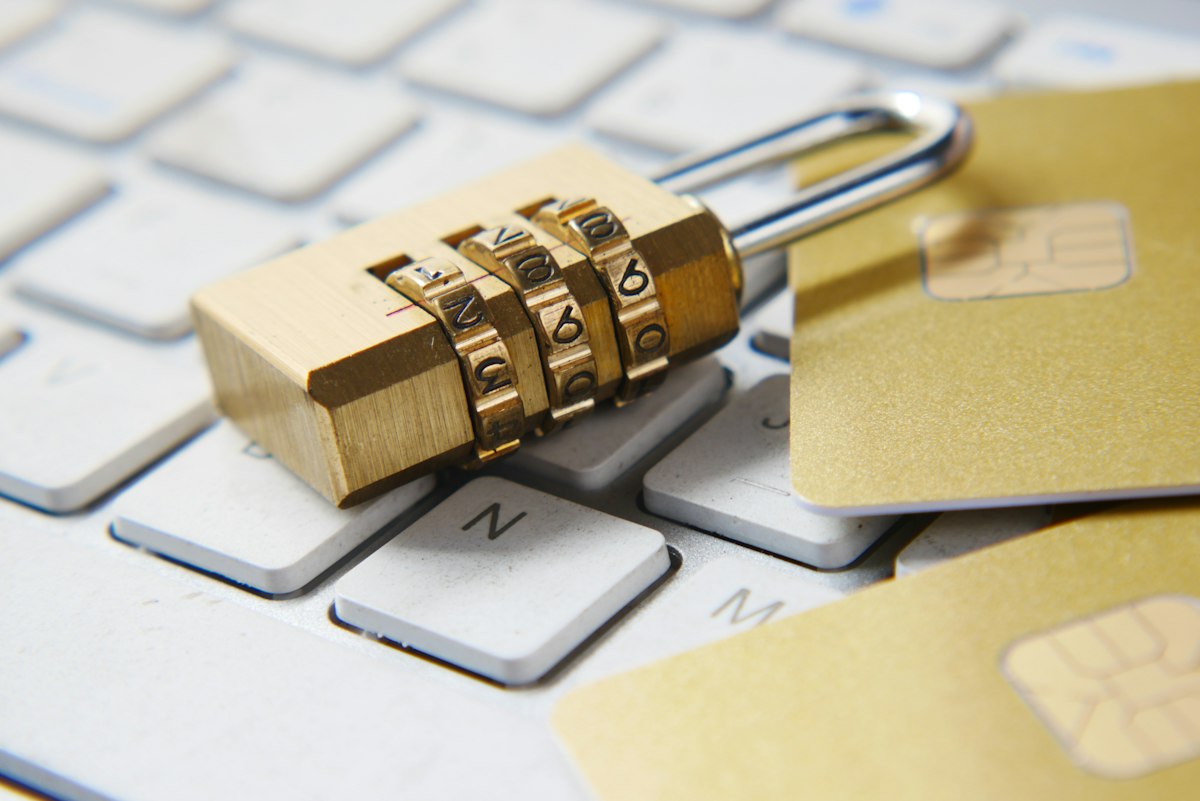
After a data breach — or a suspicious inquiry — people hear two recommendations: place a fraud alert or a credit freeze (sometimes called a security freeze). They are not interchangeable. An alert tells lenders to take extra steps verifying identity. A freeze generally restricts access to your credit file for new credit until you lift it. Choosing well depends on how likely you are to need new credit soon and how serious the threat feels.
Fraud alert in plain terms
An initial fraud alert is usually easier to place and may last for a defined period, with longer options in some cases of identity theft. It is a yellow light for lenders: proceed with more verification. You can often still open accounts, just with more friction. Alerts are useful when you want a lighter touch — travel season with more card applications, or a mild concern after phishing that may not have succeeded.
Credit freeze in plain terms
A freeze is a harder gate. Most new lenders cannot pull the file until you temporarily lift or permanently remove the freeze with each bureau you froze. That is powerful after confirmed identity theft, repeated suspicious applications, or when you simply do not plan to apply for credit for a long stretch. The operational cost is remembering to thaw before a mortgage, auto loan, or even some apartment and utility checks that use credit.
Children, seniors, and account monitoring overlap
Guardians may be able to freeze files for minors in some jurisdictions — useful after household breaches. Seniors who rarely apply for credit often benefit from standing freezes with a documented thaw process kept by a trusted person. Pair either tool with transaction alerts on existing bank and card accounts; freezes do not stop misuse of numbers already in circulation.
Credit monitoring services largely notify you after activity; they are complements, not substitutes, for freezes/alerts. Prefer enabling free bureau or bank alerts before paying for duplicate dashboards. If you subscribe, disable overlapping notifications so you do not ignore real warnings in a flood of noise.
Keep a one-page identity incident plan: freeze steps, fraud-alert steps, bank phone numbers, and where ID replacements are filed. Panic burns time; a checklist restores it.
Decision guide
- Confirmed misuse or repeated unknown applications: freeze at major bureaus; document everything; consider longer alerts where available.
- Breach notice, no evidence of misuse yet: many people freeze anyway for peace of mind; an alert alone may suffice if you apply for credit frequently and will manage thaws carefully.
- Active loan shopping: an alert may be less disruptive; if frozen, schedule temporary lifts with exact date windows.
Hygiene that pairs with either tool
Monitor statements, enable bank and card alerts, use unique passwords, and treat unexpected one-time codes as emergencies. Freezes and alerts do not stop account takeover on existing credentials. Review free annual credit reports on a rotating schedule. Write down where you placed freezes and how to authenticate — a freeze you cannot lift when you need a loan creates its own crisis.
Pick the tool that matches your next six months of credit activity, not the scariest headline of the week.
Travel, apartment screening, and thaw logistics
Before travel that might involve new SIMs or hotel Wi-Fi, ensure you can receive MFA codes needed to thaw freezes. Store bureau PINs in a password manager, not only in email. If you expect apartment or utility screening, ask whether they pull credit and schedule a temporary lift with exact dates rather than an open-ended thaw.
When lifting, prefer temporary windows over permanent removal if your threat model still warrants protection. Confirm the freeze status online after the window ends — do not assume auto-relock without verification. Keep notes of confirmation numbers.
If an alert or freeze coincides with a lender deadline, call the lender with proof of identity options and the thaw timeline so underwriting does not quietly expire. Communication prevents false denials that look like credit problems but are really logistics problems.